Push notification advertising is changing the way advertisers connect with their audience. But what makes these Push notification ads so effective? How can they help improve your campaigns and drive more conversions?
In this article, we’ll break down why Push ads are a must-have, the best formats to use, and a few tips to get the most out of push notification advertising platforms in your campaigns.
Let’s get started!
What are push notification ads?
Push notification ads are simple ads that show up directly on a user’s screen, working on phones, computers, and tablets. They usually have a title, a short message, and an image to grab attention and get clicks.
According to Statista, the digital advertising market worldwide grew to around $790 billion in 2024 and counting. And web push advertising as part of it has seen consistent growth globally because companies are utilizing it to communicate in real-time and attract the younger generations who require immediate communication.
There are two types of such ads. Web Push Notification ads, which need user permission as they are consent-based promotional messages. And web In-Page Push ads, which show up on websites without needing approval and which make them a desirable option. For this reason, In-Page push ads reach more people in your campaigns without a consent gate, while keeping the same look as regular notifications.

Get access to genuine push traffic and 45K+ vetted publishers. Set up your push notification ad campaign smoothly with an intuitive dashboard and advanced tools for budget-saving and optimization. The Partner Care support team is always there to help you with expert advice and statistical data.
How does Push notification work in advertising?
Push notification ads appear as notifications on a web browser or device. First, the user opts in to receive push notifications from a website (or the user can opt out in notification settings to skip them). Then they start seeing ads in the form of push notifications when they visit that webpage or a landing page.
This type of ad is effective because viewers almost always notice a Push ad on their webpage or device. It leads to higher conversion rates for advertisers. Users who click on it are led to the page to follow the suggested action, which can be a purchase, download, sign-up, etc.
Anatomy of a high-performing Push Ad
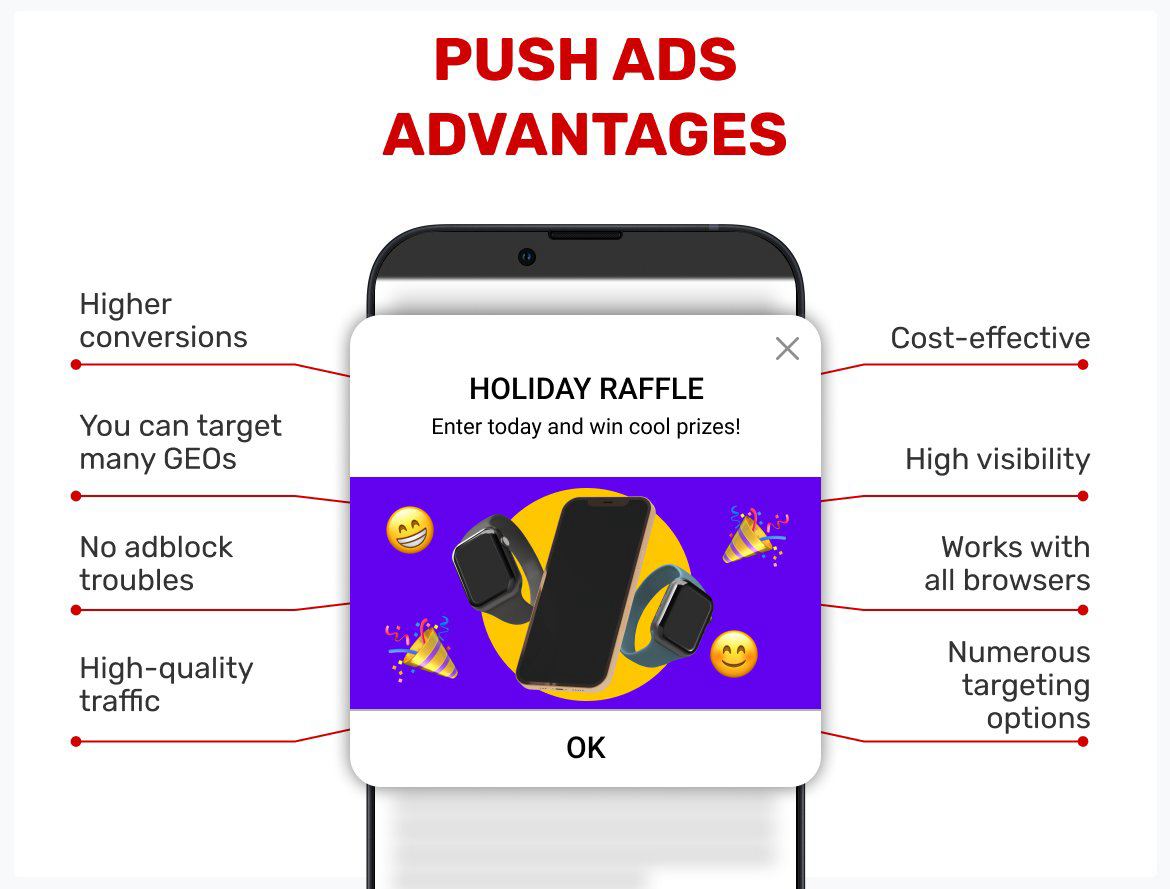
Push notification ads are made of simple elements that work together to catch attention and get users to act in your campaigns:
- Main illustration. A large picture that shows what the offer is about. On mobile, this image is hidden until the user expands the notification. CTR is 50% higher for push ads and notifications that use images. Slightly bigger visual icons may have CTR rates of 42.5%, while small icons can have 21.6%.
- Small icon. A smaller picture, often used to explain or support the main image.
- CTA button. An important, however, not obligatory piece when advertising push notification ads, that directly supports click through rate.
- Headline. A short, bold line designed to catch the user’s eye and spark interest immediately.
- Message text. A brief explanation of the offer, giving users the key details they need to decide if they’re interested.
- Notification alert. Specific device sound that advertising with push ads usually has.
Types of Push notification ads (including In-Page Push)
First, let’s clarify the difference of Push notifications vs. Push ads, which are not the same. Though they share similarities in how they are delivered, they are two main push advertising examples.
- Push Notifications are updates or reminders sent by apps or websites to their users. These are messages about orders, updates, or personal reminders (not ads) to people who already use the app or website.
- Push Ads (including In-Page Push) are paid ads sent by ad networks to promote offers to a broader audience or get people to take action in your campaigns (like buying or signing up). There are ads with pictures, titles, and short messages to grab attention of anyone targeted by the ad.
A bit more on push notification ad classifications:
Web Push Ad
Web Push notification ads are clickable ads delivered by a webpage to the subscribers’ device. They appear similar to mobile app push notifications (sent by a mobile app that appears in your notification tray), except that they are delivered via websites rather than apps and can appear on all devices (desktop, mobile, tablet).
Web Push requires users to subscribe to receive notifications, which limits its reach and effectiveness, especially with restrictions like Google Chrome’s subscription blocks, opposed to collecting user data.
In-Page Push Ad
In contrast, In-Page Push ad is an ad format disguised as push notifications. Like banner ads, In-Page Push is displayed directly on the publisher’s site, providing the same high-performance rates as push ads but without its limitations. The key advantages that make them a better alternative to engage users are:
- No subscription needed. In-Page Push ads don’t require sign-ups, avoiding browser blocks and working where Web Push doesn’t. For instance, Adsterra’s push ads deliver 33% higher CTRs than web push ads and a more positive user experience.
- Shown when users visit. They only appear when users visit the site, making them less intrusive.
- High engagement. In-Page Push ads work just like Web Push ads, but without the hassle of needing user subscriptions, ensuring reliable results.
- Works everywhere. Compatible with all devices and browsers.
Mobile Push notification
These are small pop-up messages sent by a mobile app that can appear on a user’s smartphones even when the app is closed. Mobile push notifications advertising is delivered via a push notification service, which is unique to each app platform, such as iOS and Android.
Desktop Push notification
Desktop push notifications are alike, but they appear on users’ desktop devices respectively, regardless of the operating system.
In-App Push ad
In-app push notification ads are in-app messages and advertisements appearing when the user is actually using the app. They act as promotional tools for offers or reminders or updates. Mobile apps send push notifications to smartphone screens of users who have installed that app and opted in to receive them (or they may opt out and skip ads).
Push ads vs. other ad formats: why they often win
Strong engagement makes Push notification ads highly effective for conversions and customer retention. But are they more effective vs other ad formats?
It looks like they do earn extra points for instant delivery, urgency, high visibility, and increased engagement metrics.
Let’s have a look at the comparison table for features and ad formats in regards of advertising with push notification ads.
| Features / Ad Formats | Push Notification Ads (e.g., In-Page Push) | Standard Display Ads | Email Ads | Social Media Ads |
|---|---|---|---|---|
| Delivery Method | User devices or browsers | Websites and apps | Email inboxes | Social media platforms |
| Visibility | High | Banner blindness | Unread in crowded inboxes | Depends on algorithm and engagement |
| User Engagement | High | Lower | Moderate | Varies by platform and audience |
| Speed of Response | Immediate | Slower | Delayed | Fast but competitive |
| Personalized experiences | Highly personalized adjusted for user behavior | Limited | Personalized by subscriber data | Personalized through platform data |
| Cost Effectiveness | Affordable with strong ROI | Can become expensive | Low cost but lower open rates | Costs vary depending on competition |
| Best Use | Time sensitive promotions, reminders, flash sales | Brand awareness | Newsletters and relevant offers | Community engagement and targeting |
In-Page Push ads generate high-quality audiences that result in clicks and conversions. Advertisers at Adsterra can access all types of CPM, CPC, and CPA traffic through In-Page Push ads.
Key advantages of Push notification advertising
Here, we’ve outlined a few reasons why you should consider push advertising and buy push ads.
1. Better performance and personalized creatives
We’ve already mentioned that push notification ads have a distinct advantage because they look like a standard mobile app push notification and instantly attract the user’s attention. In addition to this unique benefit, you can personalize your push ads with relevant names, locations, holidays, colors, or occasions.
To maximize this advantage, avoid the 3 common blunders:
- Creative piracy
There is still significant interest in push notification advertising, so the competition is increasing. Make your own creatives to differentiate yourself from others; do not simply copy what spy tools recommend without any changes.
- Sending notifications users find abundant
The best strategy is to limit yourself to one ad per user daily. Showing ads at a higher frequency at the start can cause your CTR to drop and force you out of the bidding.
- Uploading only one creative
A/B testing is essential for other forms of digital advertising. Don’t forget to include at least 3-5 creatives for your push notification ads to identify what performs best.
2. Total ad placement visibility
Push Ads are always displayed in the user’s center of attention, above other tabs. On smartphones, these ads look like personal alerts from messenger apps like Facebook Messenger or WhatsApp. Your goal here is to make the title memorable because this is the first thing users notice. Be as inventive as possible!
3. Cost-effective
Push notification ads are much less expensive than Facebook or other in-app marketing channels. Despite the lack of interest-based targeting, it’s a great way to drive conversions at a low CPA to popular verticals. Furthermore, since push traffic is frequently purchased using the CPC (cost-per-click) model, you won’t overpay for an irrelevant audience.
This benefit makes push advertising a smart choice for both direct advertisers and affiliate marketers looking to scale push campaigns.
4. Few bots
Nowadays, advanced ad networks use third-party services to validate push traffic. They prevent fraud or low-quality leads from deceptive websites. As a result, you drive traffic from real users, some of whom have subscribed to receive notifications themselves.
How are Push notification ads deployed?
Push notification ads are a smart way to connect with target audiences on their devices. But how are they deployed?
1. Enabling the notification popups
Publishers enable the “Allow Notifications” popup on their website so that website visitors can subscribe to web push notifications. These notifications ask users if they want to allow web push ads. If they agree, their names are added to a special list.
2. Grouping and segmentation
Then, these lists are grouped based on how long someone has been a subscriber. The more recent a subscription is, the better it is. These subscriber lists are then used to create push traffic sources and sent to the ad network.
3. Advertisers target certain lists
Push notification ads can be sent to certain sources based on the advertiser’s choice of targeting. For example, a game publisher like Creative Mobile can choose to target users who agreed to push notifications on a game-themed website 3 months ago. Users who agreed and subscribed in the chosen period will then receive Creative Mobile’s push ads.
The steps we described above apply only to Web Push notifications. In-Page Push does not work like this, since luckily it does not require any subscription from users.
Best niches for Push advertising
Users who receive Push Ads often can have diverse interests. So we can conclude that Push Ads perform well with various verticals. Here are examples of the most popular niches:
- VPN / Antivirus / Cleaners / Battery Boosters
- Subscriptions
- Sweepstakes
- E-commerce
- Entertainment
- Games
- Finance
- Nutra
- Video streaming
- iGaming
- Social & Dating
- Travel & Hospitality
The two industries that have consistently performed best are E-commerce and Mobile Utility Applications, showcasing their ability to adapt to evolving consumer preferences and technological trends. E-commerce campaigns excel with their data-driven personalization, while Mobile Utility applications campaigns continue to thrive by offering practical, problem-solving solutions. Considering that the list’s verticals are the most lucrative in 2026, you can’t go wrong with them.
Let’s dive deeper into some of these niches and see why they’re best suited for Push ads.
1. VPN and Utility
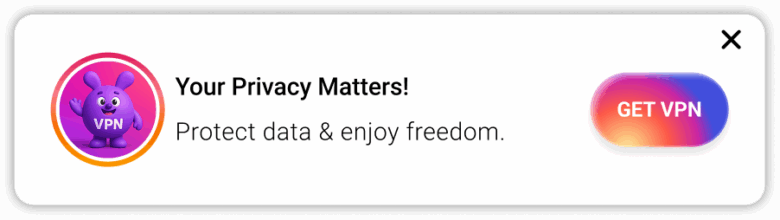
Online security and privacy have become top priorities as people increasingly rely on the internet for work, entertainment, and shopping. To protect their data and access restricted content, many users now turn to VPNs. Likewise, utility apps like antivirus software remain crucial for ensuring safety and improving device performance.
Many different types of visitors can be used with the vertical, but push notification ads are probably the best for both mobile and desktop campaigns due to their 100% visibility, high CTR, and low traffic cost.
Since smartphones are currently where antivirus software and virtual private networks (VPNs) perform best, there are many practical, creative approaches to mobile marketing and advertising.
Choose popular TV shows to encourage viewers to use a VPN to watch them. Use illustrations from the TV-shows as the primary images (if not a subject of copyright.)
Here is Adsterra’s detailed case study, where you can learn how to advertise a VPN service with CPC push ad traffic (In-Page Push, Social Bar) from Adsterra, for the US GEO with ~310% ROI.
2. E-commerce
The E-commerce vertical is one of the most reliable and long-lasting to promote because consumption never stops. Its consistent demand makes it an ideal choice for advertisers looking for steady performance year-round.
With Adsterra’s advanced In-Page Push ads (Social Bar), e-shops and shopping apps gain customer traction in a flash. Super-engaging templates of ad creatives make it easier to attract numerous leads and generate app installs.
3. Mobile games & apps

People use apps for everything to the extent that a breathing reminder app could be necessary. Or even a battery-saving app. Mobile app promotions directly meet consumer demand, which is why utility apps exist, especially those geared toward mobile devices.
Here is another in-depth affiliate case study about an advertising campaign for a mobile app. The affiliate achieved a 400% ROI with Social Bar push ad traffic with a mainstream utility offer for the Indonesian geo.
4. Sweepstakes / coupon offers
Sweepstakes / coupons and win-an-item offers are typically popular verticals. The most well-known examples include winning an iPhone and receiving a Walmart or Amazon gift card. Due to their direct engagement and non-intrusive yet enticing nature, such offers are particularly successful with Push Ad notifications.
A pre-lander is often included in the conversion flow to request user information. Sometimes only an email address is required, and other times credit card information is preferred. Your sweepstakes Push Ad campaign’s success will depend on the quality of your creatives and landers.
5. iGaming and Sports

There are plenty of sporting events all year long, and online iGaming platforms operate continuously, ensuring there’s always something to advertise. Planning your advertising calendar strategically is key; typically, starting to target an event a day or two in advance yields the best results.
If customers want to experience the thrill of gaming, create a sense of urgency to get things moving. But remember that there are always rules and limitations governing these offers, so do your research before launching your campaign to avoid losing money. To dive into the promotion specifics, you can read this guide to advertising iGaming products.
6. Social & Dating
Push notification ads allow for direct communication since the message is addressed to only one person. They’re perfect for private communication, which is what online dating looks like.
Your ability to be creative will come in handy if you want successful conversions with Push Ads for your social campaigns. The Social & Dating ad creatives must be as close to natural communication as possible. We recommend using attractive photographs of real people rather than famous models.
The more similar the push notification is to a message from a real person, the greater the likelihood of conversion. However, you should avoid using photos others have already used.
Stay Inspired with Adsterra on Instagram! Follow us for the latest updates and tips to take your campaigns to the next level.
7. Health & Beauty
Promoting offers in this vertical will be profitable as long as people want to continue to be successful, young, and beautiful, which is to say forever. The beauty and health season can keep you busy all year long, just like the sporting calendar can. Not to mention the billion-dollar beauty industry, which constantly changes trends.
In addition to numerous niches, In-Page Push ads are compatible with all GEOs, devices, browsers, and OS. Adsterra will provide multiple high-converting templates that users will never get tired of, yielding massive clicks and conversions for your campaign.
How to choose your Push Ads traffic source?
You might have the best concepts, deals, niches, creative copy, and essential marketing skills, but if your traffic source isn’t up to the task, you could easily burn through it all.
Select a reliable traffic network that offers high-quality traffic and a track record of effective push advertising campaigns. To find the ideal match for you, you can ask the various questions provided below.
1. Does a traffic source provide push traffic ad formats? A traffic source that anticipates market needs and offers its clients cutting-edge solutions is already making the future appear.
2. How much Push Ads traffic can you expect from a traffic network? You should be able to find out the volumes of traffic your push notification ads network offers. Adsterra’s Traffic Chart shows the average daily impression volume for any geo and target. Traffic Chart is a universal tool for those concerned with campaign launch speed and maximizing reach and spending. Everyone wants to get their share once the hot season begins, so getting past a crowd might require special tactics. Before you start the game, make sure you can play to the end and win!
3. How much would a push traffic campaign with your preferred traffic source cost? Calculate your spending plan, but don’t forget to account for the testing phase. Consider how long you could run it and how much you could invest in it. While testing traffic, the Adsterra Traffic Estimator might be useful in this situation. Checking the average bid prices for the specified GEOs helps you perform all necessary calculations.
There are a few other considerations besides available volumes, average bid prices, testing phase budget, and duration. Remember that a variety of factors affect the ROI of your push traffic advertising campaign.
4. What are the ad network’s rules and regulations? Push ad advertising must adhere to compliance rules. Read and understand what is permitted and what is not. It is already a sign of high-quality service when a traffic source takes its laws seriously. Learn about the campaign and account verification process, who approves it, and how it works.
5. Is it a reliable source of traffic for push advertising campaigns? A traffic source’s complete disclosure and transparency demonstrate that it is reliable and free of any shady tactics. Talk to the representatives of the traffic source next. Remember, it’s not about how cool these guys are. It’s about how helpful they are in increasing the profitability of your push ad campaigns.
6. Does a push traffic ad network have an easy-to-use platform? It’s crucial to feel at ease using the tool that could make or break your marketing efforts. You will need tools that are easy to use, intuitive, and user-friendly. It would be great to have an onboarding video to see how the platform looks in advance.
7. Can a traffic source be integrated with other platforms? Without a tracking solution, no campaign can be successful. We’ve extensively discussed the value of using a tracker and its benefits for managing your push advertising campaigns. But the key is being able to combine the two tools. Once you’ve chosen your tracker and your traffic source, confirm that the two can be integrated. You must clearly understand your data to finish your testing phase and optimize your push traffic ads.
How to choose a Push Ads network?
Choosing the right push ads network is essential to make your campaign successful. Here’s what to look for:
- Push notifications ad formats. Pick push ad networks that offer various ad formats and push inventory, including the intuitive In-Page Push notification ads.
- Traffic quality. Go for networks with lots of daily visitors and verified real users to avoid fake traffic.
- Targeting options. Choose networks that let you target GEO, device, operating system, or browser to improve results.
- Pricing models. Check if the network uses CPC (cost-per-click), CPM (cost-per-thousand views), or CPA (cost-per-action) to match the budget of your campaign.
Here’s a quick comparison of some top push ads networks:
| Push Ad Network | Special Features | Pricing Model | Targeting |
|---|---|---|---|
| Adsterra | Advanced targeting, anti-fraud tools, smart bidding, Expert Partner Care, Traffic estimator | CPC, CPM, CPA | GEO, device, Language, and 17+ |
| PropellerAds | Smart bidding, high traffic volume, 24/7 customer care | CPC, CPM, CPA | GEO, browser, OS, interest |
| Outbrain | Content-focused targeting | CPC | GEO, behavior, interest |
| EvaDav | High-quality native ads, personalized service | CPC, CPM | GEO, Device, Browser, 6+ |
| RichPush | AI-based optimization, 24/7 support | CPC | Connection type, GEO, browser and 12+ |
Best practices for writing click-worthy Push notifications
Since every component you need is interchangeable, your creativity is the only restriction. You should follow a few guidelines when designing a fresh push-ads campaign.
1. Use appealing images
Humans are visual beings; we judge based on what we see. Hence, you need appealing illustrations to draw people’s attention.
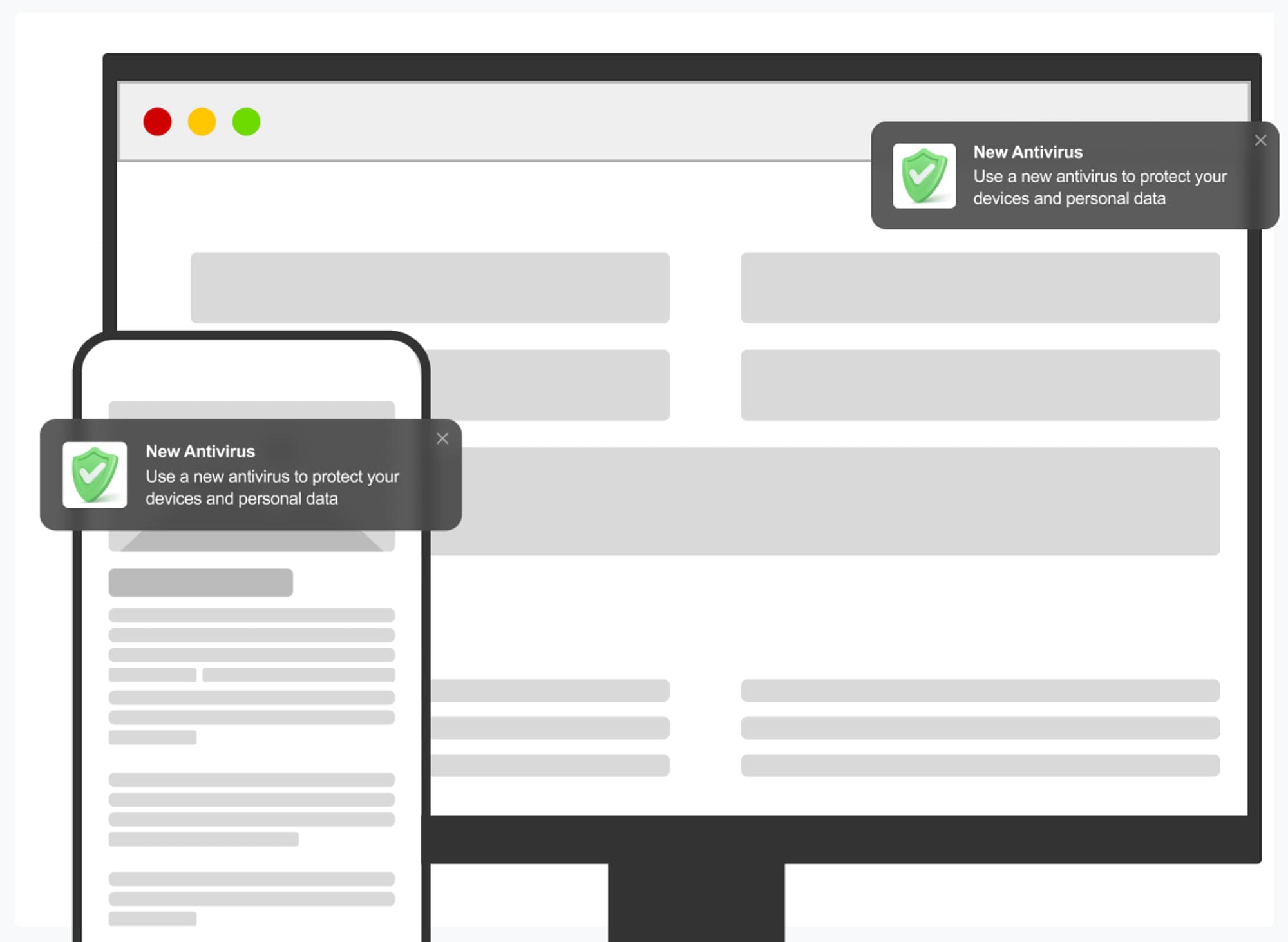
Your Push ads should have high-quality graphics and icons relevant to the product you’re promoting. For example, when promoting antivirus software, you can use a red exclamation mark to signify a possible danger that the viewer needs to tackle, or a shield symbol signifying protection to the viewer.
The push ad shouldn’t be overly complicated. It’d better have one image accompanied by a clear title and description. The picture itself shouldn’t contain text, which can distract the viewer from the main call to action.
2. Pay attention to icons
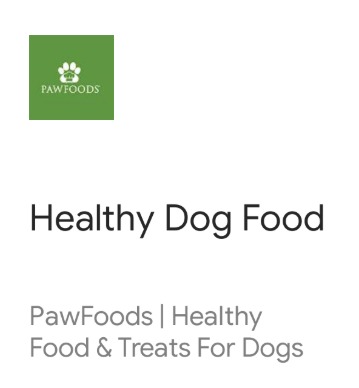
The icon is arguably the most significant component of push ads regarding mobile traffic. It aids user perception of information in advertisements.
The user will only see this image if your campaign runs on a mobile device. The push receives more clicks, the better and more appealing the icon is. The best option for it is a single, large object with no details or black-and-white pictures.
3. Make the ad title concise

You are using a phone screen to sell things, so keep it brief. Regardless of how proud you are of your recent joke or brand-new metaphor, the title should immediately tell users what you’re offering them in 3 to 4 words.
4. Use a creative and compelling description
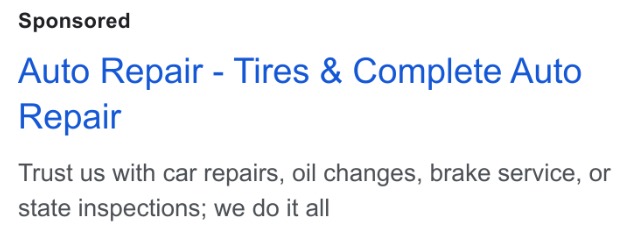
Your ad description is your last opportunity to convert them. Consider this: people drawn to the image would click right away. The title’s catchiness would attract another portion of your potential audience. The only people who will continue reading the description are those who were unimpressed by your previous attempt.
Describe what problem your product solves for the user, i.e., the proposition value. Use words that make the viewer feel they’re missing out on something if they don’t follow your ad, e.g., “Protect your computer from malware,” “Download this VPN to watch movies unrestricted,” “Download our app,” “Claim your free coupon,” “Save 30% off on your first purchase.”
Observe how these titles clearly state the benefit of the advertised product, making viewers more likely to click on it. Always go straight to the point and make viewers feel your product will solve an issue they often encounter or provide rewards.
5. Use the right colors

When words or an image can’t express something fully, colors can. Specific colors appear to be the ideal choice for push advertisements because they instantly communicate with our brains.
When advertising utility apps, red is perceived as an alert or warning. But in sales ads, red creates a special festive mood. Sometimes it seems safest to always use black and white if you target iOS users: use native colors to advertise utilities and apps. But keep in mind to change your color preferences for special occasions.
Combine red and green for the Christmas holidays, add some gold and silver for the new year, and continue using pastels all spring!
6. Add emojis (optional)

Adding emojis makes it much simpler to create humorous push ads. But don’t use them excessively. It’s a great idea to use an emoji as the focal point of your image, but keep your copy concise.
Additionally, don’t overlook spying tools; they give you a peek into what your competitors are doing. However, we don’t recommend just copying them because what works for others may not work for you. You can use spying tools for research to improve and surpass your competitors.
Real-world Push notification ad examples that convert
The success of push notification advertisements in the real world lies in being brief, personalized, and focused on action.
Best examples of push ads notifications are prompt and urging to act. The reason why such push notification ads are successful is that they generate a sense of urgency, provide value, and encourage actions with catchy titles.
“Try your luck today”
“Use 75% bonus to register now”
“Flash sale – enjoy 30% off within today only”
“Free delivery for the next 2 weeks”
“Play to win your new smartphone”
“Order today for free shipping till midnight,”
“We have restocked your favorite sneakers”
“You’re close to your weekly goal”
“Book now and receive 20% off on airfare”
“Finish your order now before stocks run out”
“Download antivirus and be safe!”
How to launch your first Push Ads campaign step-by-step
Adsterra offers a user-friendly and robust platform for deploying Push ads. You can create high-quality Push ads with Adsterra. To get started, you’ll need clear campaign objectives, engaging ad creatives, and a defined budget. With Adsterra, you can create high-quality Push ads with targeting options that include 248 geographical locations and multiple countries, web browsers, device types, operating systems, languages, all together over 15 targeting settings.
Choose from flexible pricing models (CPC, CPM, or CPA) based on your budget and goals. Use Adsterra’s intuitive interface to upload creatives, adjust settings, and test different versions to optimize performance.
Expert tip
“When running my first campaign with Adsterra, I selected France as my GEO, marked CPA as my pricing method and put in $2 per CPA (make sure to press “add” after selecting your GEO). Next, I determine my text budget at $50. In addition, I have chosen the “In-Page push” ad format and the “Social Bar” skin, which uses the Facebook creative style. I never dreamed of my ROI to be 360%. I did not even care to review the statistics as I thought the campaign would yield moderate yet consistent earnings using the In-Page Push traffic.”
by Affiliate Marketing Coach, KJ Rocker
With Adsterra’s expert support and campaign management tools, creating and managing a successful Push ad campaign is easier than ever. For more information, explore the detailed guide on buying CPC Push traffic.
Targeting, segmentation and personalization strategies
Targeting, segmentation, and personalization are critical techniques applied by affiliates and marketers when advertising push notification ads. They help you engage better with customers, enhance conversions, boost brand loyalty, and ensure customer satisfaction.
How does it work? It’s best described as narrowing down your target audience, moving from selective to specific to micro-specific:
1) In targeting, we select the customer group that are most likely to purchase products or services. For instance, you pick the niche and mainstream traffic.
2) With segmentation, the population is divided into smaller segments according to demographic, psychographic, geographic or behavioral characteristics. Here, you may be flexible with geo setting for Tiers 1,2,3, OS, mobile or desktop traffic, etc.
3) Finally, personalization entails delivering tailor-made messages and experiences to customers. For instance, a retailer online can suggest items for sale depending on the user’s interests.
Measuring success: core metrics and tools for Push Ads
Success measurement of push notification ads is dependent on the tracking of essential performance parameters, alongside the adoption of effective analytics tools.
To evaluate the effectiveness of push ads, it is necessary to track some key performance indicators using analytics:
- CTR,
- conversion rate,
- open rate,
- engagement rate,
- retention rate,
- unsubscribe rate,
- return on investment (ROI).
These are some critical performance metrics that will indicate how well customers respond to notifications and ads. Some of the best measurement tools for push ad performance are Google Analytics, OneSignal, and Firebase. Such analytics platforms offer real-time data, user behavior analysis, and tracking of marketing campaigns.
If you work with one of the push notification advertising platforms, like Adsterra ad network, you have a handful of advanced in-built tools to measure and optimize In-Page Push campaigns performance.
Conclusion. Is Push notification advertising right for you?
Push Ads provide advertisers with a non-intrusive, user-friendly, and extremely engaging way to connect with and grow their audiences. Here are some conclusions to draw from this piece:
- Creating a successful campaign from scratch that will bring you profits can be difficult.
- Before you start making the big bucks, you’ll probably need to conduct a lot of A/B testing to determine which copy and design combination converts the best.
Adsterra follows market trends and demands. With active publishers increasing In-Page Push traffic, we can provide advertisers with users in any vertical: Mobile Utility, Carrier Billing, E-commerce, Sweepstakes, iGaming, and Entertainment. It doesn’t matter what you’re promoting and with which pricing model. Our managers are seasoned ad experts ready to advise on the best strategy.
Push notification advertising: FAQ
What is an example of a push ad?
Push advertisements are notifications or direct messages delivered straight to the user’s device or browser. For example, “Special Offer! Save 30 percent on all gear only today. Click now and save!” Push ads are used by marketers for quick customer targeting, promotion of offers, driving traffic to websites, and prompting purchases.
What is push advertising?
Push advertising is a marketing approach where brands communicate their advertisements to individuals via push notification ads. This kind of marketing appears on a cell phone, app, or browser to grab the customers’ attention immediately. Push notifications offer brands to market their goods and services effectively, engage customers, generate traffic, and prompt immediate responses from customers. In its turn, push notification ads networks help marketers and affiliates to win new users as a push notification audience.
What is the difference between push and pull advertising?
Push marketing is a way of selling products directly to consumers using promotions, alerts, and sales strategies. Pull marketing works by making consumers look for the product offering and demand it. It’s done via their interest or brand awareness generated over time, rather than having it pushed upon them.